The central hub provides help and advice for your foundation portfolio.

Access to indivdual blogs can be gained through this central hub

Monday, 27 February 2012

Current Logos

Like Print there are some very good logos being produced:


Jonny Ainsley has even produced a YouTube Video of his logos:


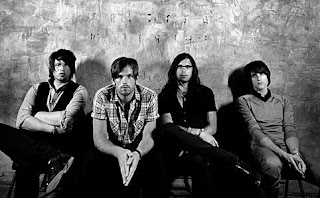
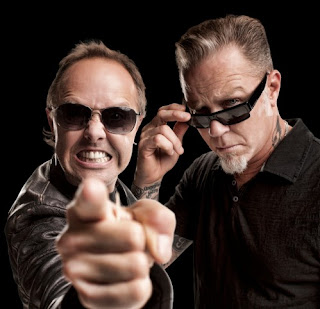
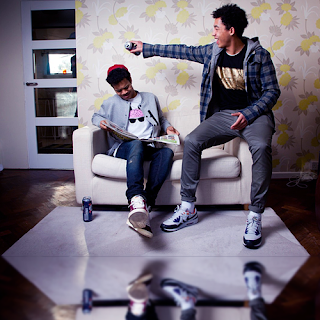
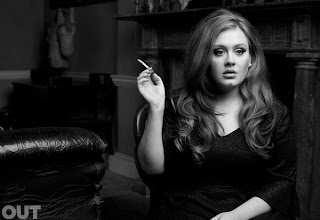
Current Photoshoots

There are some really good shots been taken by current AS students:


INTERIM DEADLINE

ALL STUDENTS SHOULD HAVE ROUGH CUTS OF THEIR WORK COMPLETED BY MONDAY 5TH MARCH. YOU WILL RECEIVE WRITTEN FEEDBACK IN CLASS - THE TEACHER WILL SPEAK TO EACH STUDENT INDIVIDUALLY.

ONCE YOU'VE RECEIVED YOUR FEEDBACK SCAN IT INTO YOUR BLOG AND MAKE A BULLET POINT LIST IN A NEW POST (ROUGH CUT FEEDBACK) OF HOW YOU INTEND TO IMPROVE YOUR WORK.

Updating your blogs

Photoshoots
Remember to create posts for photoshoots - upload your photoshoot images and annotate them, outlining the strengths and weaknesses of each shot. Try to refer to your textual research and compare your work to that of professional practice.

Images of me filming
Both print and moving image producers should upload images of themselves filming and taking photographs to act as evidence of your construction.

Updated Shooting Schedules
Moving Image should log the time codes of each of the shots made on your original shooting schedules and then re-scan them into your blog.

Screenshots
Remember to take regular screen shots:

Print Potential post titles - Front cover construction, contents construction & DPS construction

Moving Image Potential post titles - Soundtrack construction, Logo construction, Film Opening construction.

Make sure that you annotate screen shots, stating what features of the software you've been using.

Thursday, 23 February 2012

PREVIOUS STUDENT PHOTOSHOOTS


PHOTOSHOOTS

People have started their shoots and what I'm noticing is that images are SAFE.

Remember this is a music magazine. You need to be thinking about your mise-en-scene:

Hair styles - do they match the genre? take inspiration from current artists and bands

Make-Up - again is it safe should you be thinking about elaborate make-up to match the genre?

Costume - don't shoot in normal college clothes - would you go out dressed in your college wear -NO - so glam up for the shoots.
Below are some ideas for inspiration and some previous student work follows.

Front Cover Images:


For Double Page Spreads how about:


MAKE SURE THAT WHATEVER YOU'RE DOING IT RESEMBLES PROFESSIONAL PRACTICE.

Monday, 20 February 2012

Mon 20th Feb

You should start this week with a progress update post. In this post you should include the following:

There are 6 weeks until the Easter break which means - 6 weeks of lesson time to complete my foundation portfolio.

There are 60 marks available for construction and 20 marks for Research and Planning and 20 marks for evaluation - 100 marks in total

To achieve a grade:

A I need to get 80 marks

B I need to get 70 marks

C I need to get 60 marks


To be in level 4 (grade A/B) my work must demonstrate excellence throughout.

By Monday 5th March I should have a rough cut of my products

By Monday 19th March my products should be completed

From Monday 19th - Friday 30th March I will be working on my 7 evaluation questions.

The my completed portfolio should be submitted for formal marking on Monday 16th April. I should use the Easter break to make any minor amendments to my work.

In order to meet these deadlines I will:

(insert your own action plan here)

Friday, 10 February 2012

Draft R&P feedback

Once your receive your draft research and planning feedback you should create a new post:

Draft marking

.....scan in your feedback sheet.
Then write a short paragraph underneathe the feedback which outlines changes that you intend to make to your work and how you intend to do this.

Monday, 6 February 2012

RESEARCH & PLANNING DEADLINE

THE DEADLINE FOR ALL ASPECTS OF RESEARCH & PLANNING IS

FRIDAY 10TH FEB 2012

Work will be marked over half term - NO EXCUSES ACCEPTED! so don't try.

Remember to refer to the level 4 exemplar blogs!!!!!!!


REMEMBER ROOM 722 WILL BE OPEN ON TUESDAY AND THURSDAY TILL 5:30.

Print should have the following posts in their blog by Friday:

2. Textual Analysis Prezi

3. Secondary Audience Research with write up of who, specifically, the target audience is.

4. Primary Audience Research - Questionnaire & Focus group with detailed write up of findings and how they will influence the product you create.

5. Institutional Research - write up of the companies involved in the production and distribution of your product and how their status affects the product. Also you'll need to include a write up of the stages of production involved in creating a music magazine and the job roles associated with each stage. Higher marks will be awarded for students who acknowledge how this will affect them (what roles they will take on and the skills they need).

6. Inspirational Photography Analysis

8. Mood Board of other inspirational images with annotation

9. Planning Article

10.Flatplans (with supporting rationale, justifying the design choices made - the connotations of this and how it will appeal to the intended audience)

11. Assesment of Flat Plans and Write up of Improvements I need to make

12. Article Planning

13. Recce of Location

14. Risk & Hazzard Assessments

15.Call Sheets

16. Model Release Forms

17.
Evidence of me organising costume, Props & Make-Up (Images of me collating the equipment, images of me testing make-up and costumes on friends)

18. Test Shots (Photographs of practiced poses for Cover, contents & DPS)


Filmers should have the following in their blogs:

2. Textual Analysis Prezi – emphasis on TITLES!!

3. Secondary Audience Research with write up of whom, specifically, the target audience is.

4. Primary Audience Research

5. Institutional Research- write up of the companies involved in the production and distribution of your product and how their status affects the product. Also you'll need to include a write up of the stages of production involved in creating a music magazine and the job roles associated with each stage. Higher marks will be awarded for students who acknowledge how this will affect them (what roles they will take on and the skills they need).

6.
Inspirational Image Analysis

7. Research into Logos

8.Storyboards

9.Animatic

10. Shooting Schedules / Shot List

11. Recce of Location

12. Risk & Hazzard Assessments

13. Call Sheets

14. Model Release Forms

15. Researching Sound and making sound (screen shots + .mov of MP3)

16. Sketches of potential logos you’ll make in Photoshop

17. Any test footage that you've taken


Developing Logos

Moving Image Producers should scan in any sketches of logos that they've made, along with screen shots of them making the logos in photoshop.

When producing logos, in photoshop, set your page to the following:


Check out a level 4 response:

http://aidanrobson.blogspot.com/2011/03/final-production-editing-intertitles.html

Planning Sounds

Moving Image should create a post that outlines the types of sound they intend to use.

Then take screen shots of producing sounds, as tests, in garage band and import the MP3 version into your blog.

Model Release Forms

You should get your models to sign model release forms. They can be found on the IDrive.
Once signed scan them into your blog.

Call Sheets


All students should complete call sheets for every model that they intend to use in their production.

However, you could do your call sheets like this

http://chloespears.blogspot.com/2011/02/model-call-sheets.html

Friday, 3 February 2012

HOMEWORK: Hazzard & Risk Assessments

You should complete risk assessments for all of the locations that you intend to film/photograph in.
Below is the document that you should complete and either scan in or turn into a JPEG.

ALternatively you could do your recce and assessments combined

http://aidanrobson.blogspot.com/2011/02/recce-of-location.html

HOMEWORK: Recce of location

For homework all students (print & moving image should complete a recce of location)

Basically, you need to take shots of the locations that you intend to use for your photography and filming. Next to each shot you should provide a discussion about it's suitability and relation to the genre.

You can use the following proforma and then scan it into your blog or save as a .PDF - open in Photoshop or Preview and save as a .JPEG.You will then be able to import it into your blog.


You can find the template on the Idrive - AS/A2 materials - advanced portfolio - planning.

Alternatively you could use text and images in a post, so long as you cover all the things asked for in the document above.

Moving Image: Animatics

Moving image students should now be in a position to film each shot of their storyboard and do a rough edit of it, applying the appropriate transitions. This should then be exported as a .mov, uploaded to YouTube and embedded into your blog.

Below is an example of an animatic.

Friday, 27 January 2012

Planning your Article

Below are some prompts that you should answer in your post: Article Planning

Your article
What is your article about? (Specific band/Artist, Experience, Gig, Album release)
What sort of article is it? (Interview, review, Story etc.)

Style:
What Narrative voice will it be written in?
What sort of words are used by people into the kind of music featured in the article and magazine? (Refer to your textual research)
Are there other words related to the music industry (to do with recording, promoting, performing, instruments, gear, touring, gigs, venues, managers...) that would be used in an article like this?

Beginning:
What type of introductory paragraph will you use?
The first paragraph needs to encourage readers to read on. How will you make the content sound important, dramatic, exclusive, new, different, something that must be read?

Extra text on the page:
Many layouts use other text related to the band / artist somewhere on the page. Playlists, tour details, check them out at... What could you use? What would be relevant for the content of your article or for your magazine? Can the readers access more content on your magazine's website or respond to it in some way?

Tuesday, 24 January 2012

Creating a shooting schedule.

Using your storyboard create a detailed list of the shots you need to make in location order. See the example below:


You can make your shooting schedule in word. Then save it as a PDF file. Open in photoshop and re-save as a JPEG.

Constructing an article

Analysing Images

Post - Flat Planning / Storyboards

When you create your flatplans / storyboards they should be very detailed, coloured sketches of what you intend yourproduct to look like. You should have your analysed magazines / film openings open when doing this. 

Underneath each flatplan you should write a summary of the conventions you've used and why (ensuring that you relate back to your textual and audience research, discussing layout and design and the connotations of specific features you've included).


Below is an example from a previous student.


This is a flat plan of my front cover. I chose to use only one image, and have it as a close up of my model looking up and away. I think it will look good if I use heavy black eyeshadow which matches her black hair and will contrast from the light I will try to fill the rest of the image with. As in my research people said they would prefer to see photos taken on location, I will try and fill the space that looks empty with the sky. I'm not yet sure whether to keep the image grey scale or faintly coloured. I have used colours that can be seen in my mood board; pale greens and pinks. They aren't really visible on this image however, as the scanner didn't detect them as well as I would've liked. Pale pink is used in the masthead and article title, which soften the image and make it look feminine, which will reflect that the magazine is primarily targeted at females. I have used sell lines such as "indie's biggest new comer" and "Exclusive!" as they contain buzzwords and will make the magazine seem appealing. Also, all the text is written in capitals to make it seem bolder, and there are sell-lines along the bottom of the cover to show what other artists are included in the magazine, and make a reader want to buy it. "Heart & Soul" is my magazine title and the date is underneath. The font looks handwritten, giving it a rough and edgy image. In the bottom right hand corner is a bar code and price.


This is a flat plan of my contents page and I think I struggled to make one that I was pleased with. It has a white background and the same black, white, pale green and pale pink colour scheme from the front cover. I have separated the contents in to "features" and "regulars" with page numbers and headers in pale green and the other text and title in pale pink, which I think gives the idea of consistency. It also coheres with my audience's preference of a simple colour scheme. I have taken influence from "Clash" magazine's personalised titles and abbreviated my magazine name to "H&S" which I put above contents. There are two images on the right hand side of my models, who will be placed in square images on the page. In the top picture she is pictured smiling, looking away off the page, which gives her a friendly and safe image. She is dressed in jeans and a feminine floral top. I'm still not sure on the outfit she should be wearing, though. The image below will be edited to be in grey scale before being inserted into the contents page and will contain my two models who are "Robert's Roses", looking off the page and not at the camera. They will be dressed in indie clothes (shirts, polo shirts and jeans), and one will be wearing sunglasses as he leans against the railings whilst the other sits on them. As they won't be smiling, I think they will have quite a serious and tough image, which I hope will contribute to the edgy image of the band and magazine.


This is a flat plan of my double page spread. There is a main image of my artist in an overgrown field, which again complies with my audience's preference for images taken on location. She will look as though she is naturally walking through it. I hope this makes my artist look quite cool and indie artists are often pictured at run-down places, so this should fit in with that look. The image spans over two pages, with my artist reasonably small, which should hopefully make her look free. The title "Ruby Tuesday" (my artist's name) will be at the top in a pale pink, flowing and old-fashioned text, to make her look feminine. On the right page will be what looks like a ripped up piece of paper with my article written on in a type writer font. This fits in with the "rough and ready" image and some of the grass from the image could overlap this to make it look more overgrown and natural. There will be an introductory paragraph and 3 columns of text, with a quote in the middle. I took the idea of an enlarged quote and introductory paragraph from my textual analysis as I thought it looked really effective. The article will be in black text and the quote will be in the corresponding colours of pale pink and/or green.


For the VIDEO brief, here is an exemplar storyboard:

Monday, 23 January 2012

Post - research into a potential target audience - primary

To go with the audience profiles you have found from secondary sources (Pearl and Dean or magazine publishers), you need to gather for yourself some feedback from other people about the strengths of the products you have been researching.
  1. Put on your screen images of cover / contents / double page spread or the YouTube video of a film opening.
  2. Devise some questions that will encourage people to tell you what is appealing to the target audience about this product. Avoid closed questions like "Would you buy this?" or questions that don't give you feedback that can feed into your designs / plans, such as "Who do you think is the audience for this?" Instead devise questions that ask about which elements of the product would appeal. Make sure these questions cover the full range of technical elements.
  3. Decide how you want people to comment: PhotoBooth on an imac, an open Word document for them to type their responses, post-it notes...
  4. Collect responses. If you get chance, check your feedback after a few people: redesign the questions if you are not getting what you need.
  5. Read through / watch their responses. Look for repeated comments: what do people agree about? What did they say that you anticipated? What did they say that surprised you?
  6. Now record what you have learnt from this feedback and, crucially, what it has taught you about the design of your own product.

Tuesday, 17 January 2012

INTERIM DEADLINE FOR TEXTUAL ANALYSIS - Friday 20th January

The deadline for your Textual Analysis Prezi is Friday 20th January.

Print Producers:
  • Detailed analysis of Front Cover, Contents Page and DPS from a magazine of your chosen genre
  • Use media language throughout
Moving Image:
  • Detailed analysis of film opening from a film of your chosen genre
  • Use media language throughout

Once you have embedded your prezi, do not forget to reflect and discuss how your textual research into similar products has influenced your ideas for your own product. This should be done in the "ideas and feedback" post. Check out our Prezi for more ideas.

Your teachers will be checking your Blogs on Friday to ensure your Prezi is complete.

PLEASE NOTE:

Room 722 will be open on Tuesday and Thursday evenings from 4:10 - 5:30 and every lunchtime.
You can also see whether there are imacs available when you are free during other classes' lessons.

Monday, 16 January 2012

Post - Research into a potential target audience - secondary

The first steps of this should take only a few minutes.
The whole activity is achievable within one lesson.


PRINT brief

From your research into distributors of similar products use the link to the owner's website.
  1. On their site, look for information about their magazine titles. Each owner's site is designed differently, but on BauerMedia's there is a link at the top to Brands (= their magazines and radio stations).
  2. Look for your chosen magazine and seek something like a reader profile. This may be a brief paragraph or a sentence describing their average reader. It may be visual as well as verbal. BauerMedia also offer a media pack for download. If you're having trouble, Google (magazine name) + media kit in a web search or try (magazine name) + reader profile in a web search or an image search. See what you can find and copy.
  3. In your post "Research into a potential target audience - secondary", copy and paste the URL into your research and the date you accessed it in order to reference the source.
  4. Note the title of the magazine, then enter their reader profile in an appropriate format (text, image).
Extend your research:
  1. Repeat steps 1-4 above for other music magazines.
The thinking part:
  1. Reader profiles are provided by the publishers in order to encourage potential advertisers to buy advertising space in this magazine because its reader profile matches the target market of the potential advertiser. (But it's really handy for media students.) Study how they present their reader profile (bullet points, collage).
  2. How would you describe your target audience? Create a reader profile of them.
  3. Insert it in the same post.
  4. Comment on why you are targeting this group.

VIDEO brief

Tracking down details of the audience of a film.
  1. Pearl and Dean sell advertising slots in many UK cinemas. In order to help potential advertisers know who might be in the audience for a new film, their business website gives audience profiles for previous films that are similar to the new releases. Go to http://business.pearlanddean.com/films_guide
  2. Look through the current and future releases for a film similar to your chosen genre.
  3. Notice how their colour-coding gives a quick guide to who the main target audience is.
  4. Click on a likely new film title (or use the Advanced Search facility, select Include Past Releases, and search for a past film), then Grab the Comparable Profile, or the whole of the Film Details. The Profile breaks the likely audience down by key demographics - age, gender, "class" (= socio-economic status). This is one way to define your own target audience.
  5. In your post "Research into a potential target audience - secondary", copy and paste the URL and record the date you accessed it in order to reference the source.
  6. Name the film you looked up and the comparable film.
  7. Insert your Grab image (you'll need to change it to a .jpeg first using Preview or Photoshop).
Extend your research:
  1. Repeat steps 2-7 above for other films from your chosen genre.
The thinking part:
  1. How would you describe your target audience? 
  2. What would be the best way to present your audience profile (bullet points, collage of comparable film posters or stills or title screens)?
  3. Create an audience profile for your film.
  4. Insert it in the same post.
  5. Comment on why you are targeting this group.

    Post - Research into institutions that distribute similar products

    PRINT brief

     To research magazine distributors for many UK magazines - first follow these easy steps
    1. Go to http://www.mediauk.com/magazines
    2. Use the alphabetical links to find the magazine you are looking for, e.g. K for Kerrang.
    3. Click on the magazine title, e.g. Kerrang, then on the next page look near the top for the name of the magazine's owner (publisher), e.g. BauerMedia. Click this link.
    4. See what else the company owns / publishes. Copy and paste the URL and the date you accessed it in order to reference the source into your post "Research into institutions that distribute similar products". This will help you comment in your evaluation (at the end of the project) on what kind of institution might distribute (publish) a magazine like the one you produce.
    5. Near the top of the page, find the link for the owner's website (not the magazine's website) and open it in a new tab.
    6. Copy and paste the URL of the owner's website into your post "Research into institutions that distribute similar products" and the date you accessed it in order to acknowledge the source.
    7. From these two sources, make a note of the range of magazines the owners publish, and other media interests that they have. For those with tens of magazine titles, record a sample of big-selling magazines and a few niche (specialist interest) one.
     Then the thinking part:
    1. Identify any other music magazines they publish. Explain why one distributor would publish more than one music magazine.
    2. Why might this company be interested in adding your magazine to their list of titles? They wouldn't want another magazine that targets similar content at the same audience as one of their existing titles. So, is your magazine sufficiently different from the music magazines published by this distributor? In what ways?
    Extend your research:
    1. Repeat the process for another music magazine from a different publisher.
    2. Can you find a publisher that does not have a title quite like yours and who therefore might be interested in adding it to their list of titles?

    VIDEO brief

     To research film distributors - first follow these easy steps
    1. From the film openings you have researched, identify the distribution companies. If you cannot distinguish production companies from distributors, look up the film on http://www.imdb.com/ and look towards the bottom of the page for a link to company credits.
    2. Search / follow the links to the film's distribution companies on http://www.imdb.com/ 
    3. Copy and paste the URL and the date you accessed it in order to reference the source into your post "Research into institutions that distribute similar products".
    4. Make a note of a range of other films that each company has distributed. For those with tens of titles, record a sample.
    Then the thinking part:
    1. Why might this company be interested in distributing your film? Explain in what ways your film would be similar to other products they have dealt with.
    Extend your research:
    1. Can you find out whether the distributor you have looked at is owned by another larger company? If so, record who owns them and note what other media interests they have.
    2. If you have researched blockbuster films that are distributed by mainstream distributors, it will be difficult to claim that they would be interested in the kind of film that you could produce. (Remember the advice in the researching similar products prezi about being realistic and keeping it simple). You will need to find distributors that do deal in small-scale, low budget, independent, British films and then find film titles that they have dealt in. Record this information. 
    3. Add comments to your post on why such a distributor would be a more likely distributor for your film.